How to Organize and Clean Children’s Play Areas
Quick Start: Reset Any Playroom in 30 Minutes
If your child’s play area feels overwhelming, don’t start by “organizing”—start by resetting. A fast reset clears the chaos and gives you a clean base to build an organization system that actually sticks.
30-Minute Playroom Reset
Grab 3 bags/bins: Trash, Donate, Relocate (items that belong in other rooms).
Clear the floor first: Big items (stuffed animals, large toys) go into one temporary “toy pile.”
Create 5 quick categories: Blocks/building, pretend play, books, art supplies, vehicles/figures.
Assign a container to each category: One bin per category (avoid “misc” bins when possible).
Label and return: Put each bin back into its zone (reading, building, pretend, etc.).
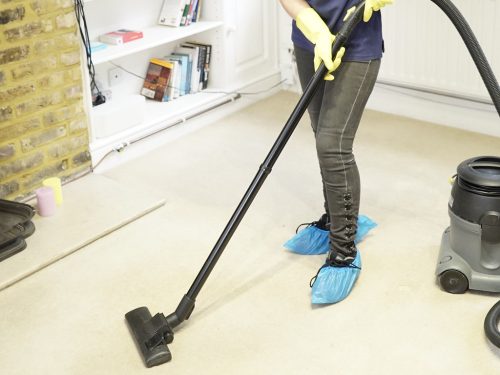
Finish with a 5-minute wipe + vacuum: Tables, handles, and the main play surface.
This reset is also perfect before guests arrive or when you want to “catch up” after a busy week.
10 Tips for a Tidy and Fun Playroom
A playroom is a magical space where little ones explore, learn, and create memories. However, without proper organization, it can quickly become a chaotic mess. In this guide, we’ll explore effective ways to organize and clean children’s play areas, ensuring a tidy and inviting space for your kids to enjoy.
1. Playroom Organization: The First Step to a Clean and Tidy Space
The key to a tidy playroom is a well-thought-out organization system. Before diving into specific tips, consider the layout of the play space. Creating zones for different activities—such as reading, arts and crafts, and imaginative play—sets the stage for effective organization.
2. Declutter Regularly: Keep the Playroom Looking Fresh
Children’s interests evolve rapidly, and so do their preferences for toys. Set aside time every few weeks to declutter the playroom. Remove broken toys, missing pieces, and items your kids have outgrown. This simple practice maintains a fresh and organized play area.
3. Categorize and Sort: A Systematic Approach
Teach your child the importance of sorting and categorizing. Designate specific bins or baskets for toys, art supplies, and other play items. Clearly labeling these containers makes it easier for little ones to reach for what they want and encourages them to put items away when they’re done.
4. Playroom Storage Ideas: Bins, Baskets, and Beyond
Invest in storage solutions that cater to your child’s needs. Open bins, baskets, and storage units with easy access are ideal for little ones. Consider incorporating a bookshelf for books, a play kitchen for pretend play items, and drawers for arts and crafts supplies. A well-thought-out storage plan contributes to a clutter-free playroom.
5. Make Organizing a Fun Activity: Play Some Music
Turn organizing into a fun and engaging activity by playing some upbeat music. Encourage your kids to participate in the clean-up process, making it a collaborative effort. By associating cleaning with a positive experience, children are more likely to embrace the habit.
6. Designate a Home for Every Toy: Keep Your Child’s Playroom Organized
Help kids identify where each toy belongs. Use labels or pictures for younger children who may not be able to read yet. Having a designated home for every item makes it easy for kids to find and put away toys, contributing to a consistently organized play space.
7. Rotate Toys: Keep the Space Fresh and Exciting
To prevent boredom and maintain a fresh play environment, consider rotating toys. Store some items away and reintroduce them after a few weeks. This not only keeps the playroom interesting but also helps manage the number of toys accessible at any given time.
8. Time Management: 10 Minutes Before Bedtime Routine
Establish a routine of cleaning up the playroom 10 minutes before bedtime. This not only instills a sense of responsibility in children but also ensures that the play area is tidy and ready for the next day. It’s a small investment of time that pays off in a consistently organized space.
9. Create Easy Access: Tailor Organization to Kids’ Needs
Ensure that the organization system is easy for kids to navigate. Place frequently used items within easy reach, and store less-used items on higher shelves. This strategy empowers children to take charge of their play space and fosters independence.
10. Parent’s Best Friend: Storage Containers and Labels
Storage containers and labels are a parent’s best friend when it comes to organizing a playroom. Store similar items together in labeled containers, making it easier to find specific toys or supplies. This approach also teaches kids the value of sorting and categorizing.
H2: How to Clean Toys Safely (Plastic, Fabric, and Wood)
Kids touch everything—so cleaning toys regularly helps reduce germs and allergens without turning your home into a “sterile zone.”
Plastic toys
Wipe with warm soapy water or a child-safe disinfecting wipe
Let fully air dry before returning to bins
Fabric toys (stuffed animals)
Wash on gentle (if the tag allows) and dry completely
For non-washable plush, vacuum with an upholstery attachment
Wood toys
Wipe with mild soap and water (don’t soak)
Dry right away to prevent warping
Extra tip: Clean the bins too—dust and crumbs collect at the bottom and get transferred back to toys.

Conclusion
Organizing and cleaning children’s play areas is a rewarding endeavor that not only maintains a tidy space but also fosters a sense of responsibility in your little ones. By implementing these 10 tips and creating an organized and engaging playroom, you’re providing a nurturing environment for your children to learn, play, and create lasting memories. Remember, a well-organized playroom is the key to a happy and harmonious home for both parents and kids alike.
Finally, trust your gut. You want to find a home cleaning service that you trust. Edla VIP Cleaning has been in the professional cleaning industry since 1996 and is insured. Give us a call today and we can give you a list of past happy customers you can call as a reference.