What Kind of Cloth Do Professional Cleaners Use?
Best Cloths for Professional Cleaning
Professional cleaners mainly use microfiber cloths due to their effectiveness in removing up to 99% of bacteria and allergens. These cloths come in various weaves, like terry for dirt collection and waffle for quick absorbency. Not only do they last up to 1,000 washes, but they also reduce waste and costs over time. To maintain their efficiency, wash them after every use and store them properly. By selecting the right type for each task, you’ll guarantee a thorough clean. There’s a lot more to explore about using microfiber effectively and choosing the best types for your cleaning needs.
Main Points
- Professional cleaners often use microfiber cloths due to their ability to remove 99% of bacteria effectively.
- Microfiber cloths are durable, lasting up to 1,000 washes, making them cost-effective for frequent use.
- Various microfiber weaves, like terry and waffle, are selected based on specific cleaning tasks and surfaces.
- Proper care of microfiber cloths, including washing after every use, ensures optimal performance and longevity.
- The eco-friendly nature of microfiber cloths reduces waste and supports sustainable cleaning practices.
Benefits of Microfiber Cloths
When you choose microfiber cloths for cleaning, you’re opting for a tool that drastically improves your efficiency. Not only do they remove 99% of bacteria, but they also outperform traditional options regarding durability.
With a lifespan of up to 1,000 washes, they offer significant cost efficiency and reduce your environmental impact by minimizing waste. Their versatile applications allow you to tackle various surfaces without scratching or damaging materials.
Plus, using microfiber supports your health benefits by reducing allergens and bacteria in your space. In a durability comparison, microfiber cloths last five times longer than cotton, making them a smart investment for anyone seeking freedom from constant replacements and ineffective cleaning methods.
Types of Microfiber Weaves
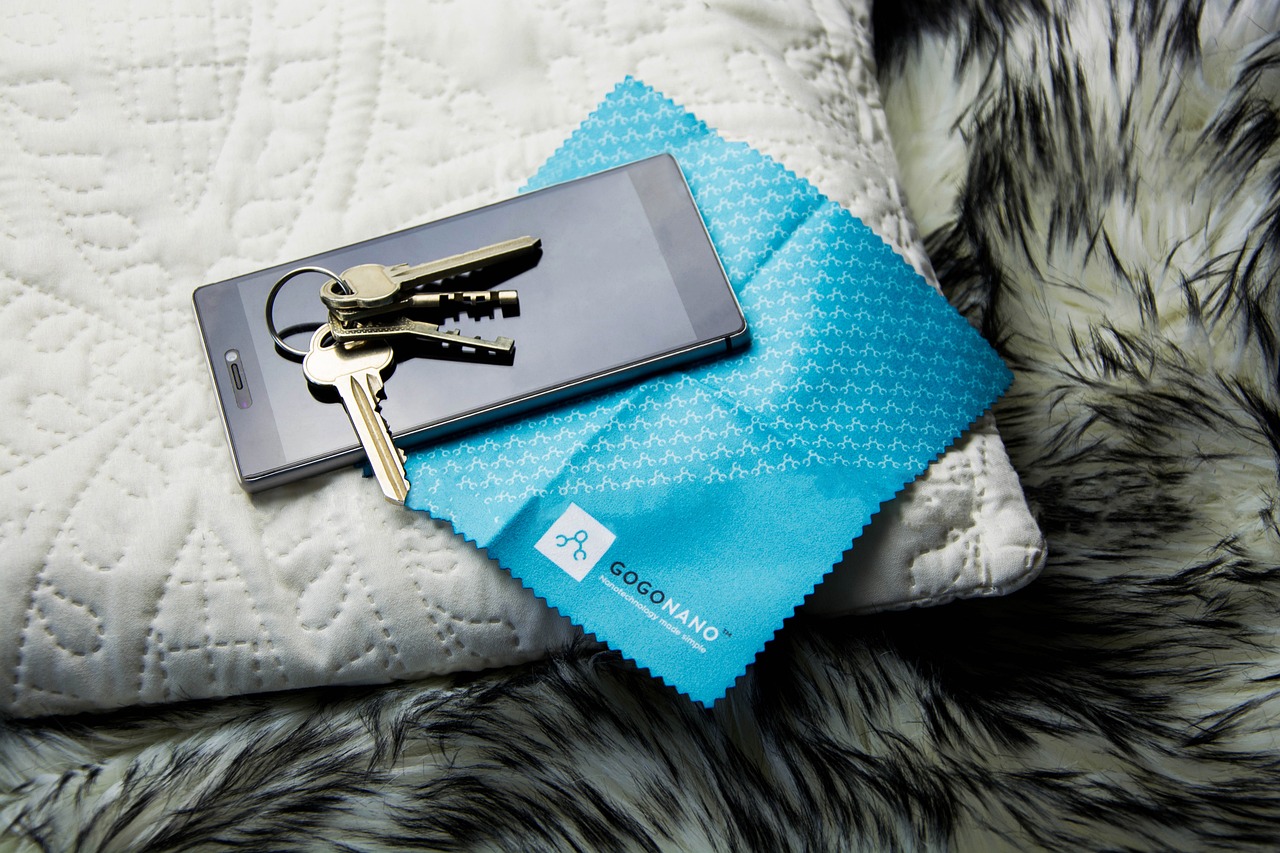
Microfiber cloths come in various weaves, each designed for specific cleaning tasks. Choosing the right one can make your cleaning more efficient. Here’s a quick overview:
| Weave Type | Description |
|---|---|
| Terry Microfiber | Versatile, medium to low pile; great at collecting dirt. |
| Plush Fabric | High pile, soft; ideal for delicate surfaces. |
| Two-Pile Towels | One side high pile, one low; perfect for detailing tasks. |
| Waffle Weave | No pile, fast absorbency; excellent for glass cleaning. |
For tougher jobs, you might prefer the Pearly Weave, which is more aggressive and great for polishing. Each type serves a unique purpose, so pick wisely to maximize your cleaning freedom!
Proper Care for Microfiber Cloths
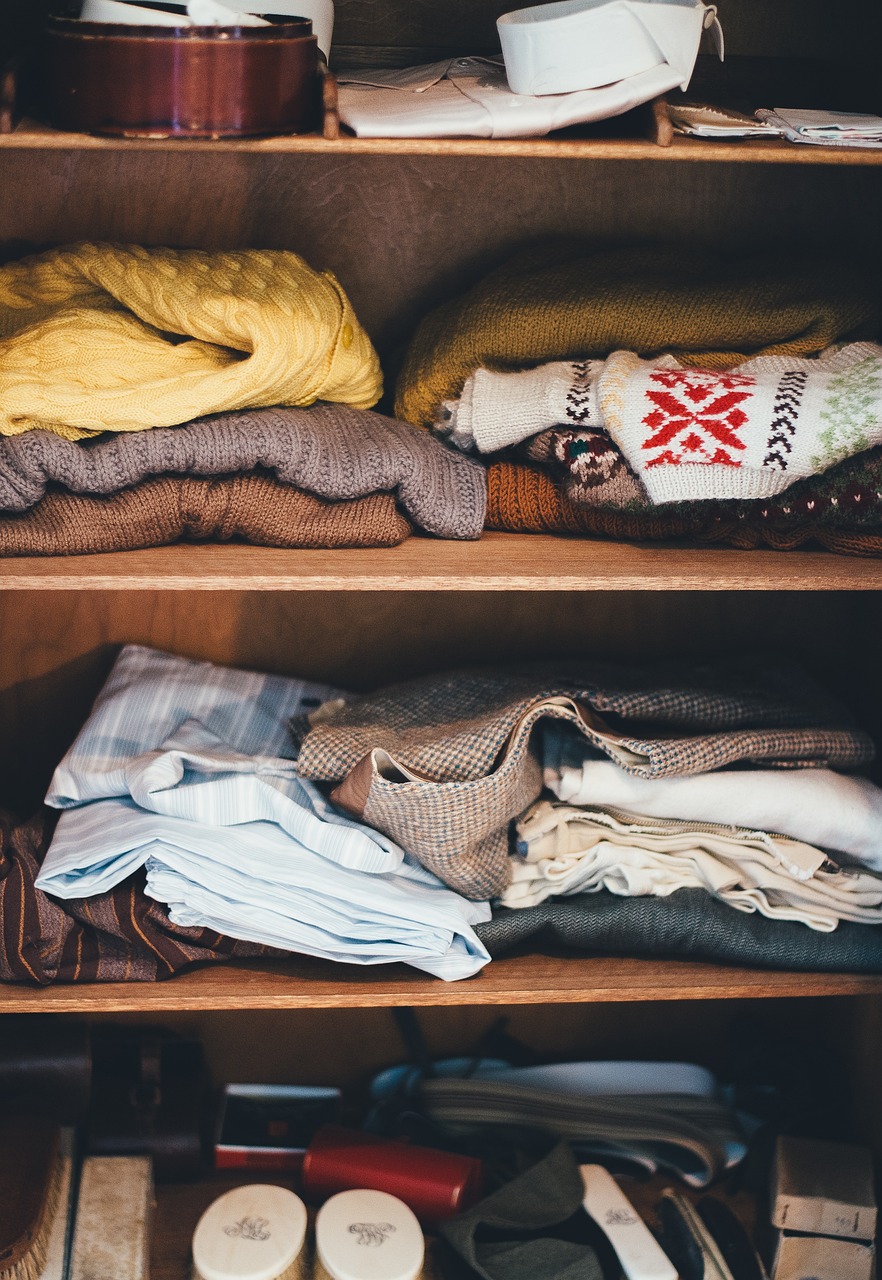
Proper care for microfiber cloths is essential to maintain their cleaning efficiency and longevity.
To guarantee effective microfiber towel maintenance, wash them after every use to prevent grime transfer. Use cool or warm water with fragrance-free detergent, avoiding bleach and fabric softeners, which can damage the fibers.
For drying techniques, air dry for best results or tumble dry on low heat, steering clear of dryer sheets.
Store your microfiber cloths in a clean, dry place to keep them free from dust and dirt.
If you encounter tough stains, soak the cloths before washing to aid in stain removal.
Following these guidelines will extend the life of your microfiber cloths and keep them performing at their best.
Pro Tips for Using Microfiber Cloths
Maintaining your microfiber cloths is just the start; knowing how to use them effectively can markedly enhance your cleaning routine.
First, focus on cloth selection based on your task—use a waffle weave for absorbing spills in the kitchen or a flat weave for screens.
For dusting techniques, always start with a dry cloth to prevent creating a paste. Enhance cleaning efficiency by folding cloths into quarters, maximizing surface area for dirt pickup.
When dampening, spray the cloth, not the device, ensuring eco-friendly options don’t damage your electronics.
Cleaning Tips and Techniques
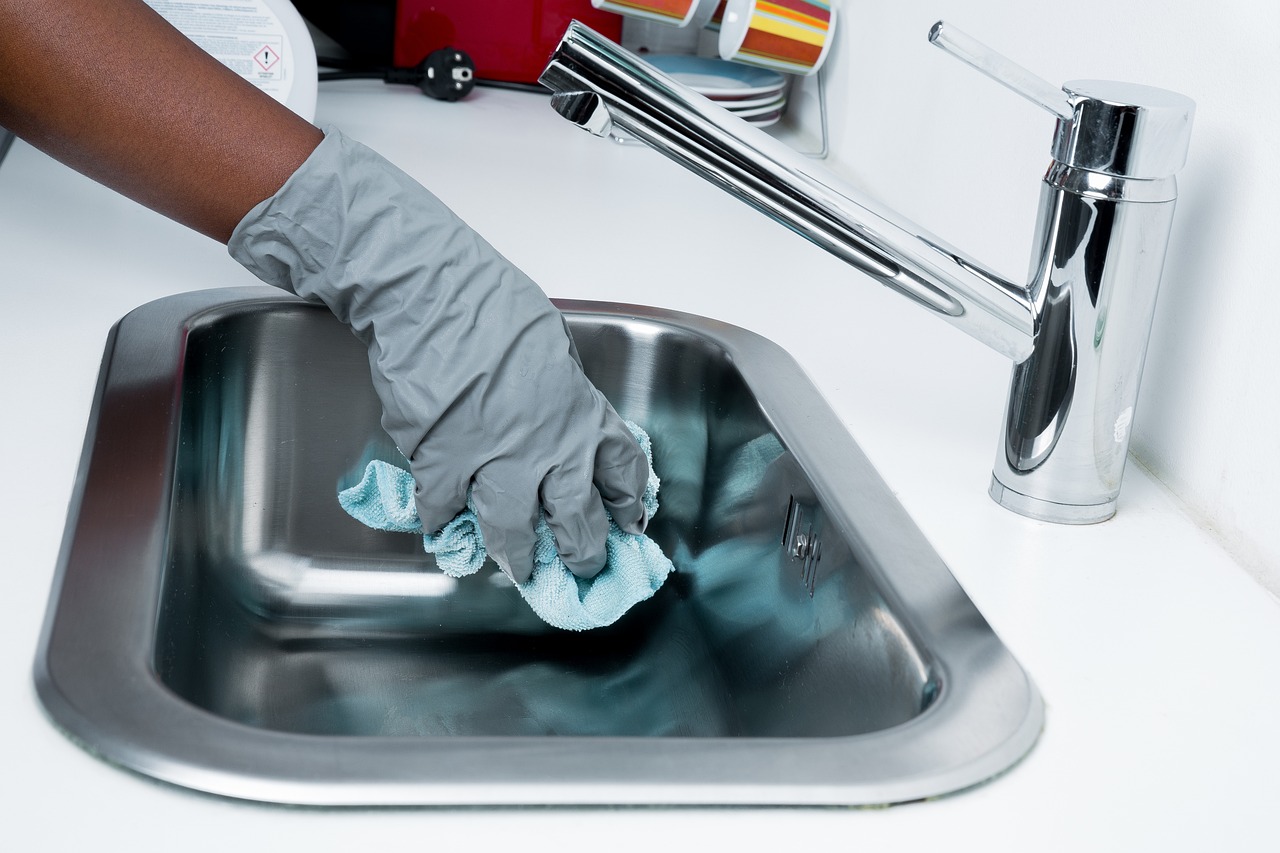
A thorough cleaning strategy can make a significant difference in how efficiently you maintain your home. Start by prioritizing clutter management; clearing spaces creates a tidy environment that simplifies cleaning.
Organize your tools in a portable caddy for easy access, enhancing your cleaning efficiency. Implement effective dusting strategies by beginning with ceilings and working down to furniture, ensuring no area is missed.
For surface disinfecting, focus on high-touch spots using a reliable disinfectant solution. When cleaning mirrors and glass, use a damp microfiber cloth followed by a dry one for streak-free results.
Frequently Asked Questions
What Are the Differences Between Microfiber and Traditional Cleaning Cloths?
Microfiber benefits include superior cleaning efficiency and longevity compared to traditional cloths. They’re cost-effective and environmentally friendly, while traditional options often fall short in performance, making microfiber the smarter choice for your cleaning needs.
Can Microfiber Cloths Be Used on All Types of Surfaces?
Yes, microfiber cloths work on most surfaces due to their compatibility. Their benefits include effective cleaning techniques, low maintenance tips, and eco-friendly options, making them versatile for various cleaning tasks around your home.
How Should I Store Microfiber Cloths When Not in Use?
Store microfiber cloths in a dry, cool place to guarantee ideal storage conditions. Follow microfiber maintenance tips by cleaning and drying them properly, and use cloth organization strategies to extend their lifespan with ease.
Are There Any Downsides to Using Microfiber Cloths?
Microfiber cloths have some downsides, like durability concerns and potential cleaning effectiveness issues. Consider allergen trapping capabilities and environmental impact. Follow proper washing care tips to maximize their benefits and minimize drawbacks for your cleaning routine.
How Do I Know When to Replace My Microfiber Cloths?
You’ll know it’s time to replace your microfiber cloths when their cleaning effectiveness declines. Pay attention to signs like fraying, discoloration, or odor. Regular fabric care extends their lifespan, but frequent use may warrant earlier replacement.