Quick and Simple Home Organization Tips
Some Easy And Quick Tips for Home Organization
To quickly organize your home, start by decluttering. Keep only items that spark joy, and tackle each room one at a time. Next, label everything clearly for easy retrieval, and consider color coding for visual ease. Implement a designated mail area with labeled trays to prevent paper clutter. Use multi-purpose furniture and vertical storage solutions to maximize your space. In the kitchen, store essentials in identical jars and keep counters tidy with trays. These simple strategies can transform your home into a clutter-free sanctuary, and there’s much more effective help just around the corner.
Key Takeaways
- Establish a designated mail area with labeled trays to sort and manage incoming mail quickly.
- Use clear bins for seasonal storage to simplify identification and ensure easy access to items.
- Implement color coding for categories to visually differentiate and enhance retrieval speed.
- Utilize vertical space with shelves and hooks to free up floor space and keep items organized.
- Adopt a minimalist mindset by reducing possessions to lower stress and enhance focus on essentials.
Why Home Organization Matters Right Now
Life moves quickly, and your home should be a place of ease—not another source of pressure. Clutter doesn’t just fill rooms; it weighs on your thoughts, breaks your concentration, and makes everyday tasks more complicated than they need to be. Research shows that a tidy setting can sharpen focus, lower stress, and lift your overall mood.
By adopting straightforward, practical habits, you’ll regain control of your belongings and free up time and energy for what you love. Whether it’s stacks of mail, a jam-packed kitchen, or too little storage, a few well-chosen routines can turn your space into a calm, efficient, and welcoming retreat.
Labeling and Categorizing
When it comes to organizing your space, labeling and categorizing are game-changers. They streamline your environment, reduce stress, and improve productivity. By implementing clear labeling, you guarantee that everything has a designated place, making retrieval quick and efficient.
Use color coding to differentiate categories visually. For instance, assign specific colors for kitchen items, office supplies, or personal belongings. This method enhances clarity and makes it easy to locate what you need.
Digital labeling tools can also enhance your organization efforts. With apps and software, you can maintain and update labels effortlessly, adapting to your evolving needs.
Embrace flexible categorization by using hierarchical structures to break down categories into subcategories, allowing for a more nuanced organization. For example, within a broader category like ‘office supplies,’ you can further categorize into ‘writing instruments,’ ‘paper products,’ and ‘folders.’
Regular label maintenance is essential. Periodically review your labels to confirm they remain relevant and accurate. This prevents confusion and supports an organized environment.
Mail Management and Paper Organization

Managing mail and paper clutter can feel overwhelming, but implementing a streamlined system makes it manageable. Start by establishing a designated mail area. Create a central station with labeled trays for mail sorting—one for bills, another for correspondence, and a third for items needing immediate attention. This approach prevents clutter from spreading across your home.
Here’s a simple layout to visualize your mail management:
| Incoming Mail | Action Items | Outgoing Mail |
|---|---|---|
| Bills | Sign & Send | Prepped Envelopes |
| Correspondence | Read & Respond | Stamped Letters |
| Junk Mail | Shred or Recycle |
Next, sort your mail immediately upon receipt. Keep a shredder nearby for mail disposal of any junk mail, ensuring you only hold onto what’s necessary. Consider making the shift to digital organization by scanning important documents, thereby reducing physical clutter and enhancing accessibility.
Implement a formal filing system with clearly labeled categories for invoices, contracts, and other essential documents. This organization not only speeds up retrieval but safeguards against loss.
Lastly, stay proactive about unwanted mail; opt out of unsolicited services to minimize future clutter. By following these steps, you gain control over your mail and paper clutter, creating a more organized and efficient living space.
Storage Solutions for Efficiency
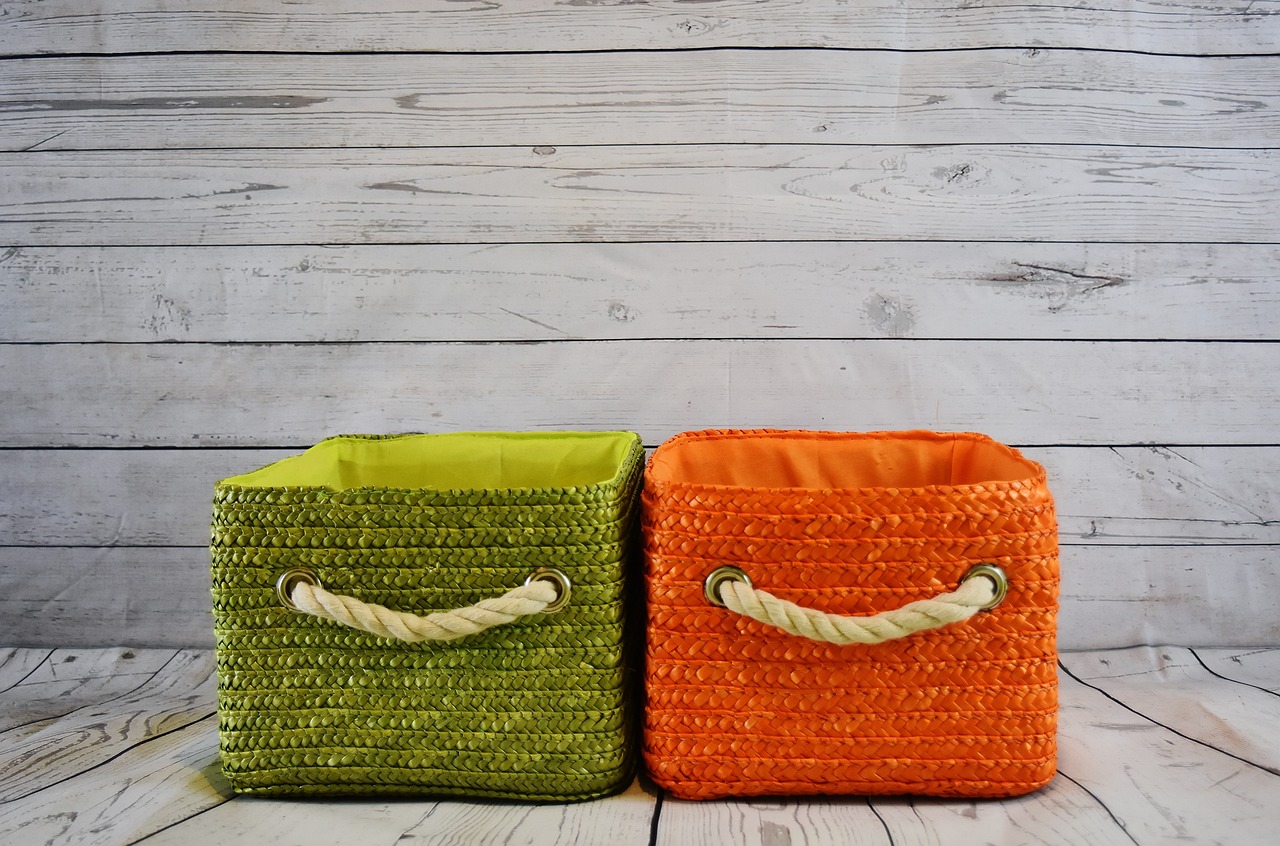
After streamlining your mail management and paper organization, it’s time to focus on optimizing your storage solutions for greater efficiency. Start by utilizing smart storage options that fit your lifestyle. Invest in multi-purpose furniture, like ottomans with hidden compartments or coffee tables with storage beneath. This approach not only saves space but also keeps your belongings organized and within reach.
Don’t overlook vertical space; install shelving units or use wall-mounted hooks to free up floor space and keep items accessible. This will help you declutter surfaces and make your home feel more open.
For seasonal storage, consider clear bins to store off-season clothing, holiday decorations, or outdoor gear. Label each bin for easy identification, making it simple to find what you need when the season changes.
Incorporate a digital inventory system to track your belongings, reducing the chances of duplication and keeping your home organized. Use apps to catalog items, helping you maintain control over what you own and where it’s stored.
Kitchen Organization Tips
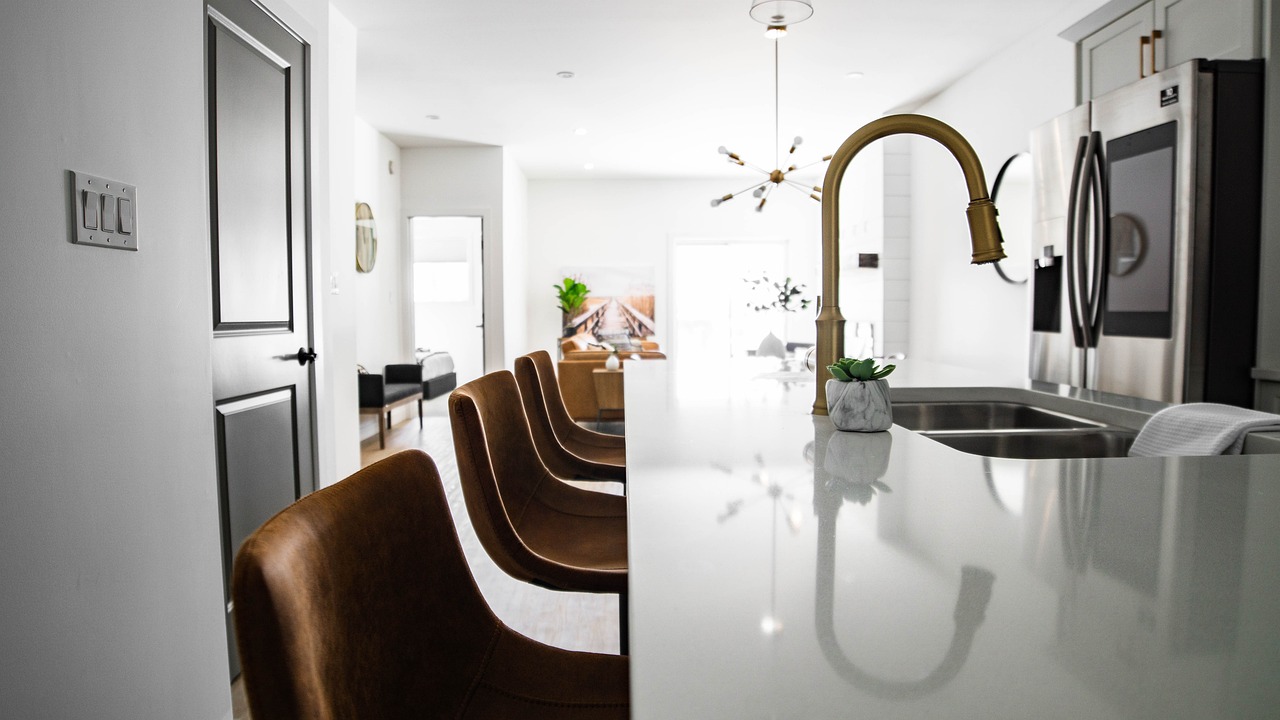
When it comes to organizing your kitchen, maximizing space and efficiency is essential. Start by focusing on your pantry essentials. Use identical glass jars to store frequently used items, and place them on open shelves for easy access.
If space is limited, consider transforming a base cabinet into a pantry, utilizing labeled jars and baskets for organized storage.
Vertical storage is vital in a kitchen. Install double-height cabinets or floor-to-ceiling shelving to make the most of your space. Add pull-out drawers for deep cabinets, allowing easy access to items.
Floating shelves not only enhance vertical space but also showcase your favorite kitchen decor or cookbooks.
Spice organization can dramatically improve your cooking experience. Create a dedicated spice shelf above your range, or build a DIY spice rack near your cooking area. This keeps your seasonings within reach, reducing countertop clutter.
Countertop trays are your best friend for managing everyday items. Use trays to corral oils, utensils, or coffee supplies, keeping your countertops tidy and organized.
For a vibrant touch, employ a tiered fruit display, making fresh produce both accessible and appealing.
Implementing these kitchen organization tips will enhance your efficiency and create a more enjoyable cooking environment. With a little effort, you can take control of your kitchen space, making it a functional and inviting area in your home.
Frequently Asked Questions
How Do I Motivate My Family to Participate in Organizing?
To motivate your family in organizing, use engaging communication strategies. Implement organizing games and reward systems to make it fun. Emphasize shared responsibilities, fostering a collaborative environment that encourages active family involvement in maintaining order.
What Are Some Quick Ways to Maintain a Clutter-Free Entryway?
To maintain a clutter-free entryway, prioritize entryway essentials like decorative baskets for mail, wall hooks for bags, and efficient shoe storage. Rotate seasonal decor to enhance appeal while keeping the space organized and inviting.
How Often Should I Reassess My Storage Solutions?
You should reassess your storage solutions seasonally. Involve your family to optimize space and implement effective decluttering strategies. Regular evaluations keep your environment organized, ensuring you maintain control over your belongings and their storage frequency.
What Are the Benefits of Hiring a Professional Organizer?
Hiring a professional organizer offers personalized solutions, improves time management, and reduces stress. They implement effective decluttering strategies and optimize your space, empowering you to regain control over your environment and enhance your overall quality of life.
How Can I Create a Cleaning Schedule That Works for My Family?
To create a cleaning schedule, assess your family’s preferences and establish cleaning frequency. Implement chore rotation for fairness, manage time effectively, and introduce reward systems to motivate everyone and maintain engagement in the process.
Conclusion
Turning your house into a calm, well-ordered retreat doesn’t happen overnight—but with steady effort and practical methods, it’s completely doable. By labeling and grouping items, setting up a mail-sorting routine, using clever storage ideas, and shaping a more efficient kitchen, you’ve already begun creating lasting order.
Still, organization only lasts when it’s simple, workable, and backed by habits that fit your daily life. That’s where many people stumble—they start enthusiastically but lose steam without a clear plan or someone to keep them on track.
The best part? You don’t have to tackle it by yourself. Call Us Today!!