Essential Cleaning Tips for Allergy Sufferers
Cleaning Tips That Help Reduce Allergy Symptoms
For allergy sufferers, effective cleaning is essential to minimize exposure to allergens. Always wear a mask while cleaning to reduce inhalation of airborne irritants. Opt for natural, hypoallergenic cleaning products instead of conventional chemicals that may exacerbate symptoms. Regular dusting with damp microfiber cloths can greatly lower dust accumulation; aim for a systematic schedule. Launder bedding weekly in hot water using fragrance-free detergents to combat dust mites. Additionally, consider using hypoallergenic covers for pillows and mattresses for added protection. Discover more strategies to maintain a healthy environment and protect your well-being.
Key Takeaways
- Wear a well-fitted mask while cleaning to reduce inhalation of airborne allergens.
- Use natural cleaning solutions like vinegar and baking soda to avoid irritating chemicals.
- Dust, scrub and wipe weekly with damp microfiber cloths to effectively trap and reduce allergens.
- Launder bedding weekly in hot water with fragrance-free detergent to eliminate dust mites.
- Follow reliable resources and professionals for ongoing tips and support in managing allergies.
Wear a mask
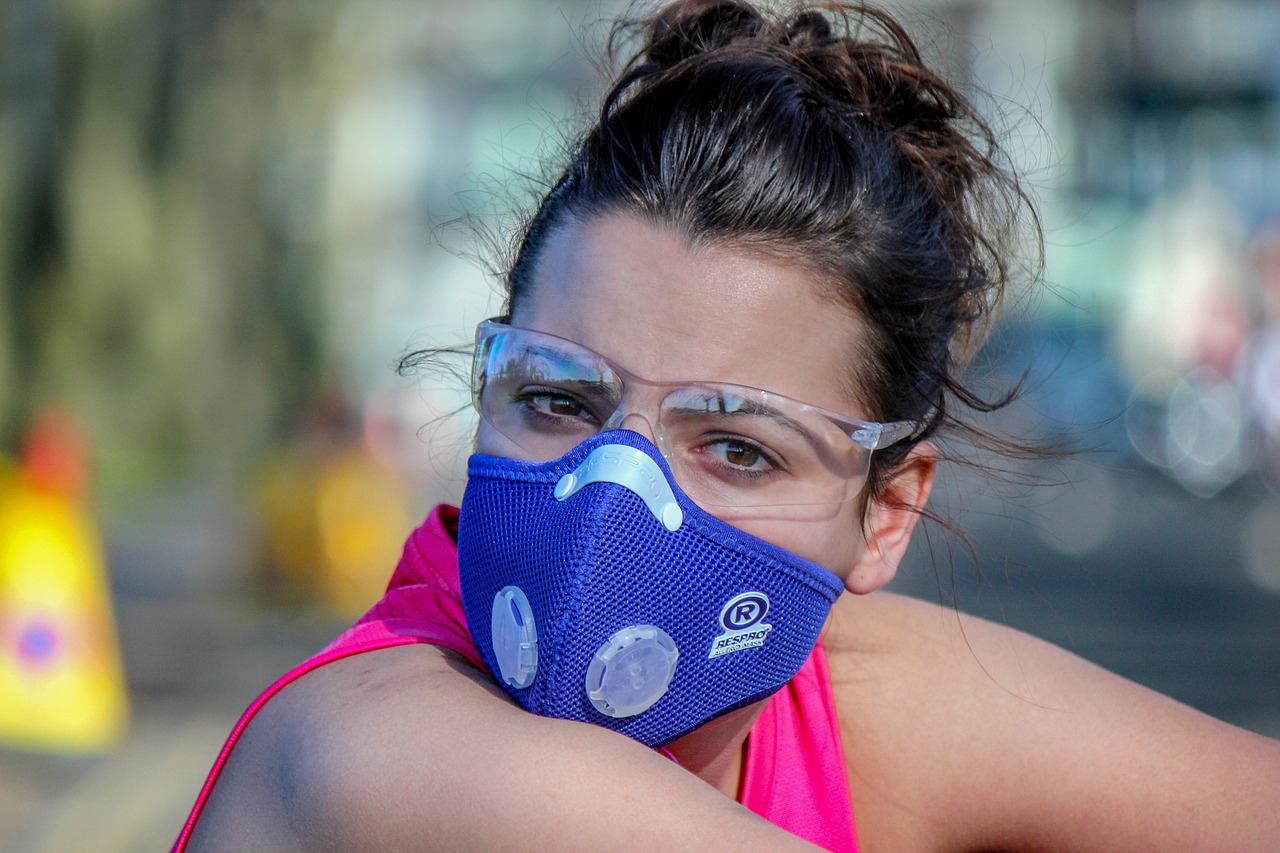
Regularly wearing a mask while cleaning is essential for allergy sufferers, as it greatly reduces the inhalation of airborne allergens. This protective measure is important during cleaning for allergies, particularly when dust and other irritants can easily become airborne. A well-fitted mask can notably diminish the risk of exposure to common allergens, enhancing your overall comfort and freedom within your living space.
In addition to wearing a mask, employing effective dust removal techniques is fundamental. Utilizing microfiber cloths helps attract and trap dust, preventing it from being redistributed into the air. Dampening these cloths can further improve their efficiency, ensuring that allergens are captured rather than stirred up.
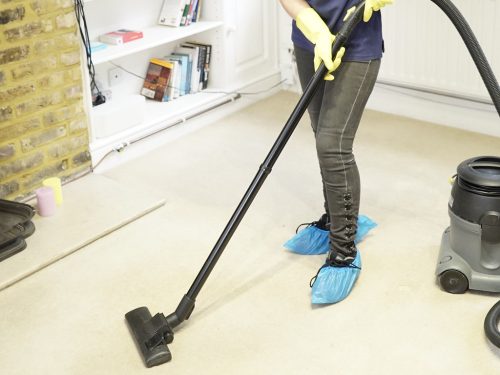
Furthermore, regular cleaning should be scheduled at least once a week, focusing on high-traffic areas like carpets, bedding, and upholstery to minimize allergen buildup.
Opting for hypoallergenic cleaning products also plays a significant role in air quality improvement. Many conventional cleaning agents contain harsh chemicals that can trigger allergic reactions, whereas natural solutions can effectively reduce allergens without compromising health. Incorporating vinegar, baking soda, and lemon juice into your cleaning routine can provide a safer alternative while still achieving cleanliness.
Avoid chemicals at all costs…
Opting for natural cleaning solutions is imperative for allergy sufferers who wish to avoid harsh chemicals that may exacerbate their symptoms. Many conventional cleaning products contain irritants such as ammonia, chlorine, and formaldehyde, which can trigger allergic reactions or respiratory issues. Instead, choosing hypoallergenic or fragrance-free options (even natural ones like white vinegar) is essential. Consulting with a healthcare professional can further guide your product selection.
Natural cleaning solutions not only minimize allergic reactions but also promote improved indoor air quality. Simple household ingredients can serve as effective alternatives. The following table outlines these natural cleaning solutions and their applications:
| Natural Solution | Use | Benefits |
|---|---|---|
| Vinegar | Disinfectant | Antibacterial properties |
| Baking Soda | Odor absorption | Non-toxic and versatile |
| Lemon Juice | Stain removal | Natural bleaching agent |
| Olive Oil | Furniture polish | Safe for wood surfaces |
Dust weekly
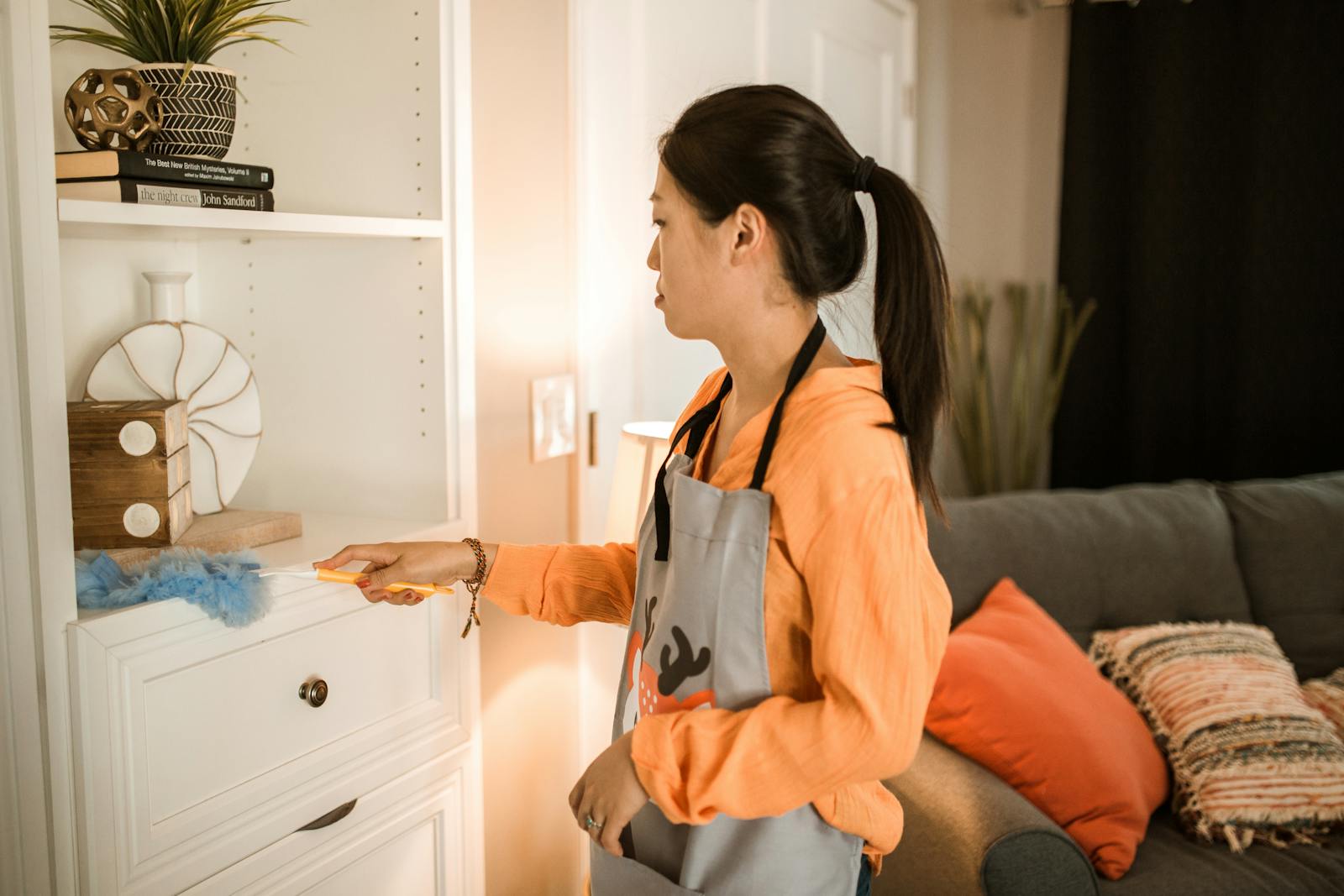
Consistent dusting is essential for maintaining a healthy indoor environment, particularly for allergy sufferers. Dust accumulation can considerably exacerbate allergy symptoms, making it imperative to implement a structured dusting routine. Aim to dust every surface on a weekly basis, using effective techniques that minimize the redistribution of allergens.
Microfiber cloths are a great hack in this endeavor. They are designed to attract and trap dust particles rather than merely scattering them into the air. For ideal results, use damp microfiber cloths, as moisture enhances dust capture. Avoid traditional dusters that can stir up allergens, and focus on hard-to-reach areas where dust tends to settle.
Incorporating a systematic approach to your dusting tasks can alleviate feelings of overwhelm. Break down your cleaning schedule into manageable segments, tackling high-traffic areas daily and reserving a specific day each week for thorough dusting. Create a checklist to track completed tasks, ensuring no surface is overlooked.
Additionally, remember to dust from top to bottom. Start with higher surfaces such as shelves and light fixtures, allowing any falling dust to be cleaned up from lower surfaces later.
Regular, thorough dusting not only reduces allergen buildup but also contributes to an overall cleaner and more inviting living space. By maintaining this discipline, you can enjoy a healthier indoor environment, free from the burdens of dust-related allergy triggers.
Launder Wash bedding once a week
Maintaining a clean environment extends beyond dusting; laundering bedding on a weekly basis is equally important for allergy sufferers. Dust mites, pet dander, and other allergens thrive in bedding, making regular washing essential for reducing exposure and maintaining ideal air quality. It is advisable to wash bed linens, pillowcases, and duvet covers in hot water with a fragrance-free detergent to effectively eliminate allergens, so don’t go easy on the washing machine.
For best results, establish a routine that includes not only weekly washing of bedding but also vacuuming the mattress and duvet cover bi-weekly. This practice helps to further diminish dust mite populations and other allergens that may accumulate.
Monthly deep cleaning of the mattress, including vacuuming and spot cleaning, is also recommended to guarantee a thorough removal of any lingering irritants.
Individuals with allergies may want to take into account using hypoallergenic pillows and mattress covers, which can provide an additional layer of protection against dust mites. For those who share their beds with pets, increasing the frequency of laundry is advisable to combat the extra dander and hair that pets can introduce into the sleeping environment.
Incorporating these practices into your cleaning schedule not only enhances your comfort but also promotes a healthier living space. By prioritizing the laundering of bedding weekly, you take a significant step toward minimizing allergens in your home, allowing you to enjoy a more restful night’s sleep free from irritants.
Resources for Ongoing Support
For individuals managing allergies, access to reliable resources for ongoing support is essential in fostering a healthier living environment. Various platforms are available to help individuals navigate their allergy journey, from expert advice to community engagement.
Subscribing to newsletters focused on home maintenance and design can provide valuable tips for keeping allergens at bay. Following professionals in cleaning and interior design on social media can further enhance your understanding of effective strategies for allergen control.
In addition to home management resources, practical gardening advice can assist in minimizing outdoor allergens. Exploring curated shopping round-ups for allergy-friendly products enables individuals to make informed choices about what to bring into their homes.
Staying updated on new techniques and products for allergy management can empower individuals to continually create healthier environments.
Frequently Asked Questions
How Can I Identify Hypoallergenic Cleaning Products?
To identify hypoallergenic cleaning products, look for labels indicating “hypoallergenic” or “fragrance-free.” Additionally, consult allergist recommendations, and avoid harsh chemicals like ammonia or chlorine, opting instead for natural alternatives that minimize irritation.
What Are the Best Natural Alternatives to Commercial Cleaners?
Natural alternatives to commercial cleaners include vinegar, baking soda, and lemon juice. These ingredients effectively disinfect, deodorize, and remove stains, promoting a healthier and more environmentally friendly cleaning environment. For a tidy kitchen, you can use a damp cloth with vinegar to wipe down surfaces and prevent germ buildup. To keep your dishwasher fresh, run a cycle with vinegar and baking soda instead of harsh chemicals. You can also use natural dish soap to wash dishes while ensuring that germs are eliminated. Incorporating these simple methods can keep your kitchen tidy, ensuring that both your dishwasher and dishes remain clean with the help of natural dish soap and a damp cloth.
How Often Should I Replace Air Purifiers’ HEPA Filters?
HEPA filters in air purifiers should generally be replaced every 6 to 12 months, depending on usage and air quality. Regular inspection is essential to guarantee peak performance and maintain effective allergen removal in your environment.
Can Pets Contribute to Indoor Allergens?
Yes, pets can greatly contribute to indoor allergens through dander, saliva, and urine. Regular grooming, cleaning, and maintaining designated pet areas can help mitigate exposure to these allergens, promoting a healthier living environment for all occupants.
What Types of Houseplants Help Reduce Allergens Indoors?
Certain houseplants, such as snake plants, peace lilies, and spider plants, can enhance indoor air quality by absorbing pollutants and releasing oxygen. Their presence may contribute to reducing allergens, thereby promoting a healthier living environment.