Drain Cleaning Tips: Best Ways to Keep Your Drains Clog-Free
Proven Drain Cleaning Methods to Prevent Clogs
To keep your drains clog-free, you’ll want to adopt a few proactive strategies that can save you time and hassle down the line. Start by using drain strainers to catch hair and debris, and make it a habit to clean them weekly. Monthly baking soda and vinegar treatments can also keep your pipes fresh and clear. However, there are more nuanced ways to tackle stubborn clogs that may surprise you. Today, Edla VIP Cleaning will explore some effective techniques you might not have considered yet that could make all the difference in your home’s plumbing system.
Main Points
- Use drain strainers to catch hair and debris, cleaning them weekly to prevent clogs.
- Perform monthly baking soda and vinegar rinses to eliminate buildup and odors naturally.
- Avoid pouring greasy substances down the sink; dispose of them in the trash instead.
- Regularly remove hair and soap scum from bathroom fixtures to maintain clear drains.
- Schedule professional drain cleaning to address stubborn clogs and extend the lifespan of your plumbing.
Why Regular Drain Cleaning is Essential for Your Home
Regular drain cleaning is essential for your home because it helps prevent clogs that can lead to costly repairs and inconvenient backups. By investing time in regular maintenance, you enhance your home plumbing’s efficiency and guarantee a healthier environment.
Accumulation of hair, soap scum, food particles, and grease are common culprits that can cause blockages. If you ignore these issues, you might face slow drainage, unpleasant odors, or even overflowing toilets.
To effectively combat these problems, consider various drain cleaning solutions. Regular home plumbing maintenance can include DIY drain cleaning methods such as using baking soda and vinegar, which can naturally break down minor clogs.
However, for stubborn blockages, mechanical snaking or hydro jetting may be necessary. These methods can greatly improve water flow and extend the lifespan of your pipes.
Yet, while DIY methods can be effective, professional drain cleaning services shouldn’t be overlooked. They offer specialized tools and expertise to identify underlying plumbing issues that you mightn’t notice.
A thorough cleaning by professionals guarantees compliance with plumbing codes and helps prevent future clogs, saving you time and money in the long run.
DIY Drain Cleaning: Safe and Effective Methods
Five effective DIY methods can help you tackle common drain issues without resorting to harsh chemicals.
First, consider using boiling water to flush your drains regularly. This helps dissolve grease and oils that can lead to clogs. Just boil a pot of water and pour it down the drain for a quick refresh.
Next, try a baking soda and vinegar combination. Pour half a cup of baking soda down the drain, followed by a cup of white vinegar. You’ll see a fizzing reaction that breaks down buildup. Let it sit for 10-15 minutes, then flush with boiling water for best results. Apple cider vinegar works just as well if you prefer it.
For a more hands-on approach, wear rubber gloves and manually remove any visible debris around the drain. If clogs persist, a drain snake can be your best friend. Feed it into the drain until you hit resistance, then pull out the debris.
Using liquid dish soap is another effective method. Pour a tablespoon down the drain and follow it with boiling water to dissolve any grease accumulation.
Lastly, don’t forget about preventative maintenance. Make it a habit to clean your drains weekly if you notice odors or visible debris, and monthly for cleaner sinks.
Avoid disposing of solid debris and install a mesh screen to catch food particles. These simple practices can keep your drains flowing freely and save you from future headaches.

How Professional Drain Cleaning Can Save You Time and Money
While DIY methods can effectively address minor drain issues, there are times when professional drain cleaning is the smarter choice. Regular professional services can prevent costly plumbing repairs by removing debris, hair, and soap scum before they lead to serious clogs.
When clogs form, they increase pressure on your pipes, risking cracks and bursts that could result in expensive repairs. By investing in professional drain cleaning, you’re not just addressing immediate problems; you’re reducing the need for emergency plumbing interventions down the line.
Professionals use specialized equipment to eliminate stubborn clogs quickly and efficiently, preventing water backups that can cause significant property damage. Their expertise also allows them to identify the root causes of clogs, offering solutions that save you time and frustration.
With timely interventions, you can avoid potential long-term plumbing issues, keeping your drains flowing smoothly. Moreover, regular maintenance checks can help extend the life of your pipes.
By preventing blockages that damage your plumbing system, you guarantee that your infrastructure remains reliable. Clean pipes minimize leaks and other plumbing problems, ultimately saving you money on costly repairs and replacements.
Lastly, professional drain cleaning provides tailored solutions for your unique plumbing needs. The recommendations they offer can help you implement preventative measures, supporting the long-term health of your plumbing system.
In the end, investing in professional services not only optimizes your plumbing’s performance but also contributes to a more functional, efficient home.
Common Causes of Clogged Drains and How to Avoid Them
Clogged drains can be a frustrating and inconvenient issue, but understanding their common causes can help you take preventative measures. One of the main culprits is hair and soap build-up in bathroom drains.
Installing drain filters can catch hair, while a regular cleaning routine with baking soda and vinegar can help keep things flowing smoothly.
In the kitchen, food scraps are often the main offenders. Be sure to dispose of food waste properly, and never pour grease or oil down the drain.
Utilizing a garbage disposal can help manage food refuse, and baking soda and vinegar can assist in maintaining cleanliness.
Another common issue arises from foreign objects, particularly children’s toys or wipes. Always monitor what goes down the drain, and educate your kids on appropriate flushing habits.
Even items labeled as flushable can cause problems.
Tree roots can infiltrate pipes, leading to significant blockages. Regularly trimming trees near your plumbing and scheduling inspections can prevent this issue.
Additionally, hard water contributes to mineral build-up, leading to clogs. Using pipe cleaners and water softeners can help mitigate this problem.
Lastly, avoid flushing excessive toilet paper or non-flushable items, which can create severe blockages.
Educate your household on proper disposal and reduce the use of thick toilet paper.
Preventing Drain Clogs: Easy Tips for Long-Term Maintenance
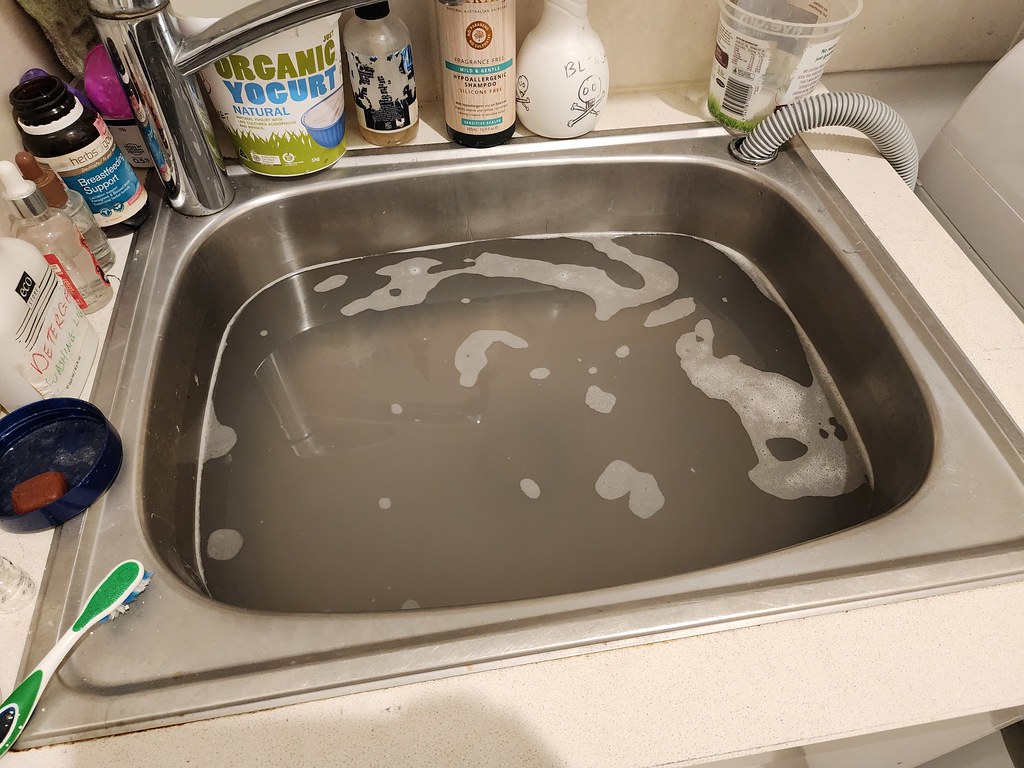
Maintaining the integrity of your drains is essential for preventing frustrating clogs and ensuring a smooth plumbing system. Start by using a drain strainer in your sinks and tubs; this simple tool catches hair and debris, preventing them from entering your pipes. Make it a habit to clean the strainer weekly to keep it effective.
Next, consider a monthly rinse with a mixture of baking soda and vinegar. This combination not only helps eliminate minor buildup but also acts as a natural deodorizer. After letting it sit for about 30 minutes, flush the drain with boiling water to clear out any loosened debris.
Be mindful of what you’re putting down your drains. Avoid disposing of greasy substances, like oils and lotions, in the sink. Instead, throw them in the trash to protect your pipes.
Also, try to remove hair and soap scum from your bathroom fixtures regularly to prevent clogs before they start.
If you notice persistent odors, consider using a hydrogen peroxide rinse or lemon juice to freshen and clean your drains. For deeper clogs, a drain snake can be a handy tool to have on hand.
Frequently Asked Questions For Drain Cleaning Tips
What Tools Are Necessary for Effective Drain Cleaning at Home?
To effectively clean drains at home, you’ll need a plunger, a drain snake, a bucket, rubber gloves, and a flashlight. These tools help you tackle clogs and maintain clean, flowing drains for everyone’s benefit.
How Often Should I Schedule Professional Drain Cleaning Services?
You should schedule professional drain cleaning services at least once a year. However, if you notice slow drains or unpleasant odors, don’t hesitate to call a professional sooner. Keeping drains clean helps prevent costly issues later.
Are Natural Drain Cleaners as Effective as Chemical Ones?
Natural drain cleaners can be effective, but they often require more time and multiple applications compared to chemical ones. You should consider your specific needs and preferences when choosing the best solution for your drains.
What Signs Indicate a Serious Drain Issue Needing Immediate Attention?
If you notice slow drainage, gurgling sounds, or foul odors, it’s time to act. These signs indicate a serious drain issue that could lead to bigger problems. Don’t wait; address them promptly to prevent damage.
Can Certain Foods Be Composted Instead of Going Down the Drain?
You can compost certain foods like vegetable scraps, fruit peels, and coffee grounds instead of sending them down the drain. This helps reduce waste and nourishes your garden, benefiting both you and the environment.
Conclusion
By following these drain cleaning tips, you can easily keep your drains clog-free and maintain a healthy plumbing system. Regular cleaning, like using strainers and natural cleaning methods, not only prevents clogs but also saves you time and money on professional services. Remember to be mindful of what you dispose of in your sink—grease and debris shouldn’t go down the drain. Get an Online Estimation today & with these simple practices, you’ll enjoy smooth drainage and peace of mind in your home.